


















Algorithm corrupted (though sheer comedy, of course)
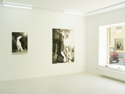
A solo exhibition by Marijn Akkermans Venue: galerie dudokdegroot, Lauriergracht 80, Amsterdam Opening: 13 January, between 16 - 18 hrs Exhibition dates: 13 January - 24 February, 2018
In thoughtfully composed drawings Marijn Akkermans (1975) pursuits an understanding of the ambiguity of psychological theme's and the experience of the self. In earlier works we could see archetypes of nurses, giant teddy bears, doctors and surgeons, families, military men, business men and mothers. Personal experiences and domestic scenes intersected with collective fiction. The drawings recalled a disconcerting sense of familiarity and danger.
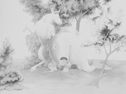
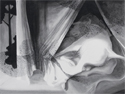
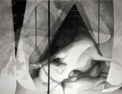
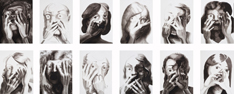
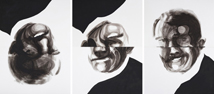
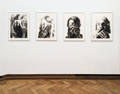
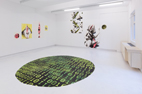
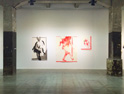
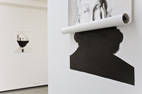
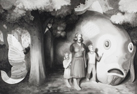
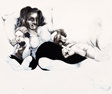
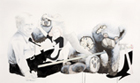
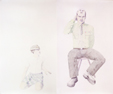
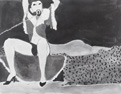
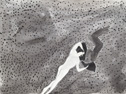
In 'Algorithm corrupted (though sheer comedy, of course)' Akkermans shows new drawings in which he depicts androgynous figures, ears, babies, numbers and bearded men. The figures are drawn bigger than life and their representations are disturbed by illusionary orifices, like a curtain which is drawn open or the dilated mouth of a crying baby. Behind the orifices shelters yet another pictorial reality. In other drawings the artist pitches the orifices as bright coloured shapes of their own. Figuration and abstraction traverse each other in this exhibition. Questions that these drawings in translucent layers of ink and bright colours call for are: can we see ourselves and is our self image fathomable? Or does our perception remain continuously mutable and elusive?
The title of the exhibition refers to algorithms as imperceptible but yet controlling realities. Digital generated algorithms are a new and progressive reality which gets to know us better and more quickly than we know ourselves. But algorithms aren't just developed by (monstrous) companies and governments, or by ads equipped with camera eyes. A human being itself appears to be a biological algorithm. Choices are based on our emotions and cognitive preferences, and they are originated from our DNA. The reliance on our faith in freedom of choice has become doubtful. Can imagination break the grid of algorithms? Is the artist's work made by his/her/their own choices? How should we regard the viewers interpretation? Is making art as an autonomous practice sheer comedy? Akkermans' drawings show a duality of perception and deception, an awareness of the doubtful state of our believes.